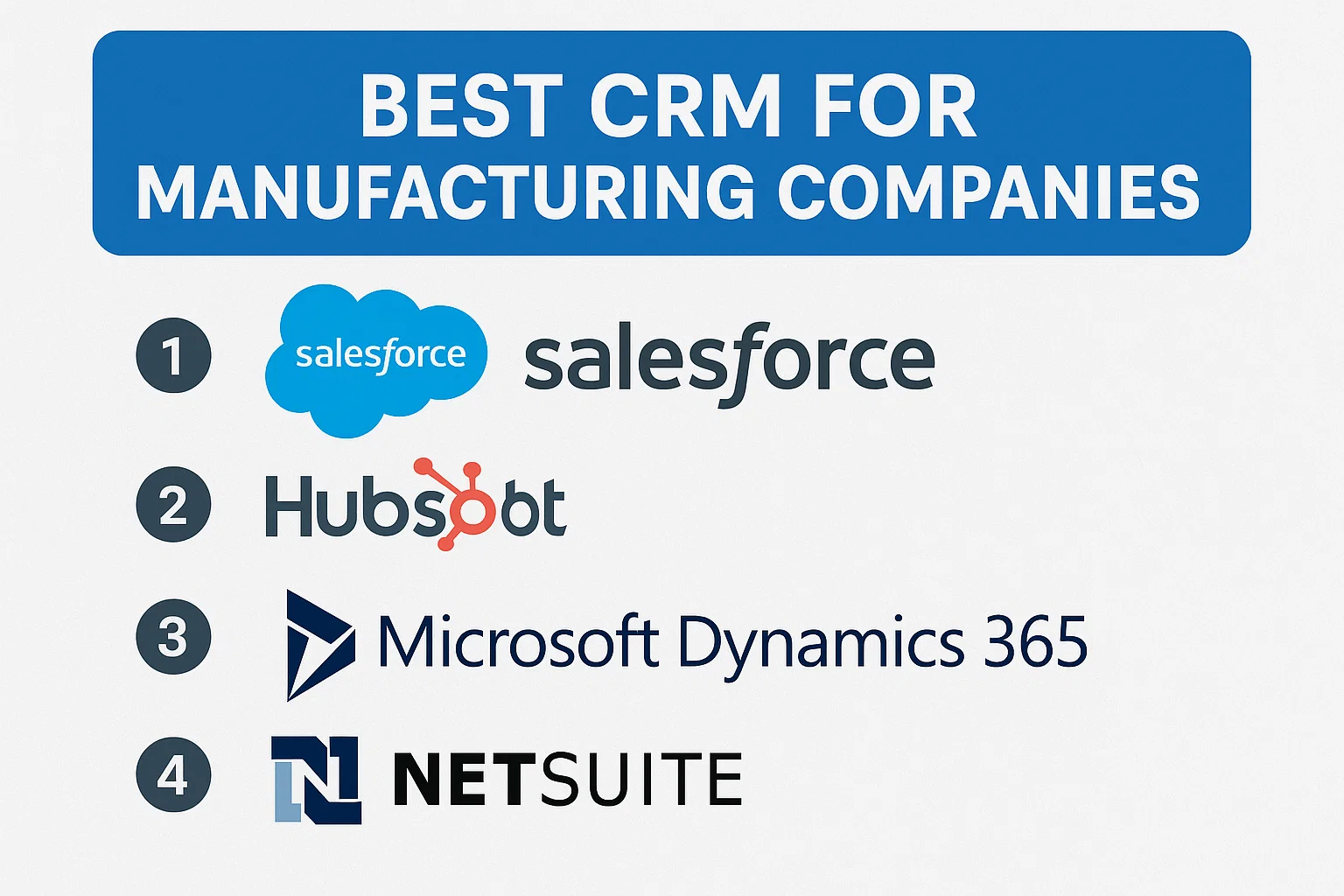
Optimal CRM Solutions for Manufacturing Firms in 2026
Why Manufacturing Firms Require a CRM
Manufacturing companies face unique challenges that demand effective management tools. A Customer Relationship Management (CRM) system can streamline operations, enhance customer interactions, and improve overall efficiency. By centralizing customer data, manufacturers can better address client needs and adapt to market changes.
Moreover, a CRM helps in tracking sales processes, managing leads, and nurturing client relationships. In a field where customer satisfaction can significantly influence business success, having a dedicated CRM becomes essential.
Key Features to Consider in a Manufacturing CRM
When selecting a CRM for a manufacturing business, certain features are indispensable. Look for tools that offer inventory management, production tracking, and supplier relationship management. These functionalities help in aligning customer orders with manufacturing capabilities.
Additionally, a good CRM should provide analytics and reporting capabilities. This allows manufacturers to monitor sales performance and customer trends, enabling informed decision-making. Integration with existing systems like ERP (Enterprise Resource Planning) is also crucial for seamless operations.
Leading CRM Solutions for Manufacturing Companies in 2026
As we look ahead to 2026, several CRM platforms stand out for manufacturing firms. Salesforce is often regarded as a leader, offering extensive customization and integration options. HubSpot is another strong contender, known for its user-friendly interface and marketing automation features.
Zoho CRM also deserves mention, particularly for small to medium-sized enterprises seeking affordability without compromising on quality. Each of these platforms offers unique advantages tailored to the manufacturing industry.
Advantages of Utilizing a CRM in Manufacturing
Implementing a CRM brings numerous benefits to manufacturing companies. Improved communication is one of the most significant advantages. Teams across sales, production, and customer service can collaborate more effectively when they have access to shared data.
Additionally, CRMs can enhance customer satisfaction by providing manufacturers with insights into customer preferences and buying behaviors. This information enables businesses to tailor their services and products, leading to stronger customer loyalty.
Case Studies: Manufacturing CRM Success Stories
Many manufacturing businesses have reaped the rewards of implementing a CRM. For instance, a medium-sized automotive parts manufacturer adopted a CRM to manage customer inquiries and orders more efficiently. As a result, they saw a 30% improvement in customer response times and a 15% increase in sales within the first year.
Another example involves a furniture manufacturer that used CRM to streamline its supply chain. By integrating their CRM with inventory management, they reduced stockouts and optimized production schedules, leading to a 20% reduction in operational costs.
Best Practices for Implementing CRM in Manufacturing
Successful CRM implementation requires careful planning. Start by defining clear objectives for what you want to achieve with the system. Ensure that all departments are involved in the selection process to address specific needs.
Training is also critical. Employees must understand how to use the CRM effectively. Regular updates and feedback sessions can help in adapting the system to evolving business requirements.
Conclusion
Choosing the right CRM is vital for manufacturing firms looking to enhance their operations and customer relationships. With numerous options available in 2026, businesses must assess their unique needs and carefully compare solutions. A well-implemented CRM can lead to improved efficiency, better customer satisfaction, and ultimately, increased profitability.
FAQs
1. Why do manufacturing companies need a CRM?
Manufacturing companies benefit from a CRM by enhancing customer interactions, streamlining sales processes, and improving operational efficiency.
2. Which CRM is best for large manufacturing enterprises?
Salesforce is often recommended for large enterprises due to its extensive features and customization capabilities.
3. Can SMEs benefit from CRMs in manufacturing?
Yes, small and medium enterprises can greatly benefit from CRMs, as they help manage customer relationships and streamline processes without requiring extensive resources.
4. How does a CRM improve supply chain management?
A CRM enhances supply chain management by providing insights into customer demand, optimizing inventory levels, and facilitating better communication with suppliers.
5. What is the ROI of implementing a manufacturing CRM?
The return on investment can vary, but many businesses report increased sales and reduced operational costs, making the ROI of a CRM implementation favorable.