Leading CRM Solutions for Nonprofits and NGOs in 2026
Understanding the Importance of CRM Software for Nonprofits
Nonprofit organizations operate with unique challenges. Managing donor relationships, tracking fundraising efforts, and engaging volunteers require dedicated tools. This is where Customer Relationship Management (CRM) software steps in. It helps nonprofits streamline their operations and maintain effective communication with supporters.
CRM systems enable nonprofits to keep organized records of interactions with donors and stakeholders. With these systems, organizations can build stronger relationships, ultimately leading to increased support and funding. As nonprofits strive to achieve their missions, having reliable software tools is essential for success.
Essential Features to Consider When Choosing a Nonprofit CRM
When selecting a CRM for a nonprofit, certain features stand out as particularly beneficial. These may include donor management capabilities, fundraising tools, and reporting functionalities. A user-friendly interface is also crucial for ensuring that staff can quickly adapt to the system.
Integrating communication tools within the CRM can enhance outreach efforts. Nonprofits should also seek systems that allow for segmenting donor lists. This way, they can tailor messaging and engagement strategies effectively. Finally, evaluating data security and compliance features is essential for protecting sensitive information.
Leading Nonprofit CRM Solutions for 2026
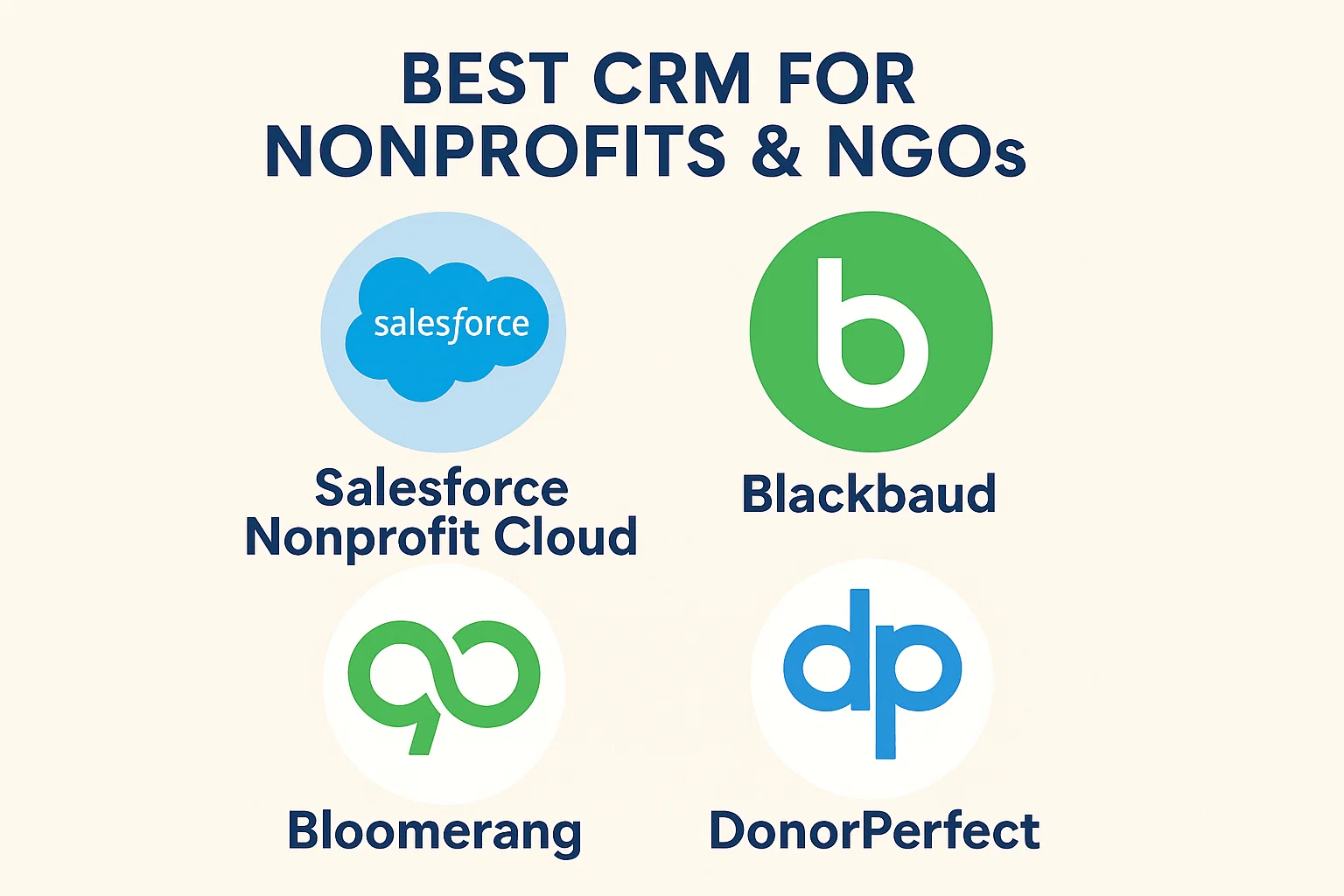
As we look into 2026, several CRM platforms emerge as top contenders for nonprofits. Salesforce for Nonprofits is often highlighted for its customization options and comprehensive features. Another strong option is Bloomerang, which focuses on donor retention and engagement.
Other notable solutions include Kindful, which integrates seamlessly with various fundraising tools, and DonorPerfect, known for its robust reporting capabilities. Each of these platforms offers unique strengths, making it crucial for organizations to assess their specific needs before making a decision.
Advantages of CRM Use for Nonprofits in Developed Markets
In countries like the United States, Canada, the UK, and Australia, utilizing CRM software can greatly enhance a nonprofit's operational efficiency. These tools help organizations reach a wider audience and build lasting relationships with donors.
Moreover, CRMs can facilitate data-driven decision-making. By analyzing donor behaviors and trends, nonprofits can adjust their strategies to meet the needs of their supporters. This can lead to improved fundraising outcomes and greater overall impact.
How to Select the Most Suitable Nonprofit CRM
Choosing the right CRM involves several important steps. First, nonprofits should identify their core needs. Understanding what features are necessary can help narrow down options significantly.
Next, organizations should evaluate how well the CRM integrates with existing systems. User-friendliness is another critical aspect, as staff members will need to use the software daily. Compliance with regulations and security measures should also be prioritized to protect sensitive data.
1. Identify Core Needs
Assess what functionalities are most critical for your organization. Do you need strong fundraising tools, or is volunteer management more of a priority? Understanding your specific needs will help in selecting the right software.
2. Evaluate Integration Options
Check if the CRM can work well with other tools your organization currently uses. Integration can save time and reduce errors in data handling.
3. Assess User-Friendliness
Consider how easy it will be for your team to learn and use the CRM. A complex system may hinder productivity and cause frustration.
4. Check Compliance & Security
Ensure the CRM meets legal requirements regarding data protection. This is especially important when handling donor information.
5. Budget Considerations
Finally, consider the financial aspects. Different CRMs come with varying price points. Make sure to choose one that fits your budget while still meeting your needs.
Success Stories: Nonprofits Thriving with CRM
Many nonprofits have successfully implemented CRM software to enhance their operations. For instance, a small charity in the UK improved its donor engagement by utilizing a CRM that allowed for personalized communication. This led to a noticeable increase in donations over a year.
Another organization in Canada utilized a CRM's data analytics features to identify trends in donor behavior. This insight allowed them to tailor their fundraising campaigns effectively, resulting in higher response rates and increased funding.
Conclusion
In summary, selecting the right CRM for nonprofits is a significant decision that can impact an organization's effectiveness. By understanding their needs, evaluating features, and considering integration and compliance, nonprofits can find a solution that suits their mission. With the right tools, these organizations can foster stronger relationships with their supporters and achieve greater success.
Frequently Asked Questions
1. What is the best CRM for small nonprofits?
Several CRMs cater specifically to small nonprofits, including Bloomerang and Kindful, which offer user-friendly features at competitive prices.
2. Can nonprofits use Salesforce CRM?
Yes, Salesforce offers a tailored version for nonprofits, providing robust features that can help organizations manage their donor relationships effectively.
3. Is an open-source CRM suitable for NGOs?
Open-source CRMs can be a good option for NGOs, as they often allow for customization. However, organizations must be prepared to handle technical aspects independently.
4. How can CRM improve fundraising?
CRMs can enhance fundraising by providing insights into donor behaviors, helping organizations craft targeted campaigns that resonate with supporters.
5. Are these CRMs compliant with GDPR?
Many nonprofit CRMs are designed to comply with GDPR requirements, but it's crucial for organizations to verify this before implementation.