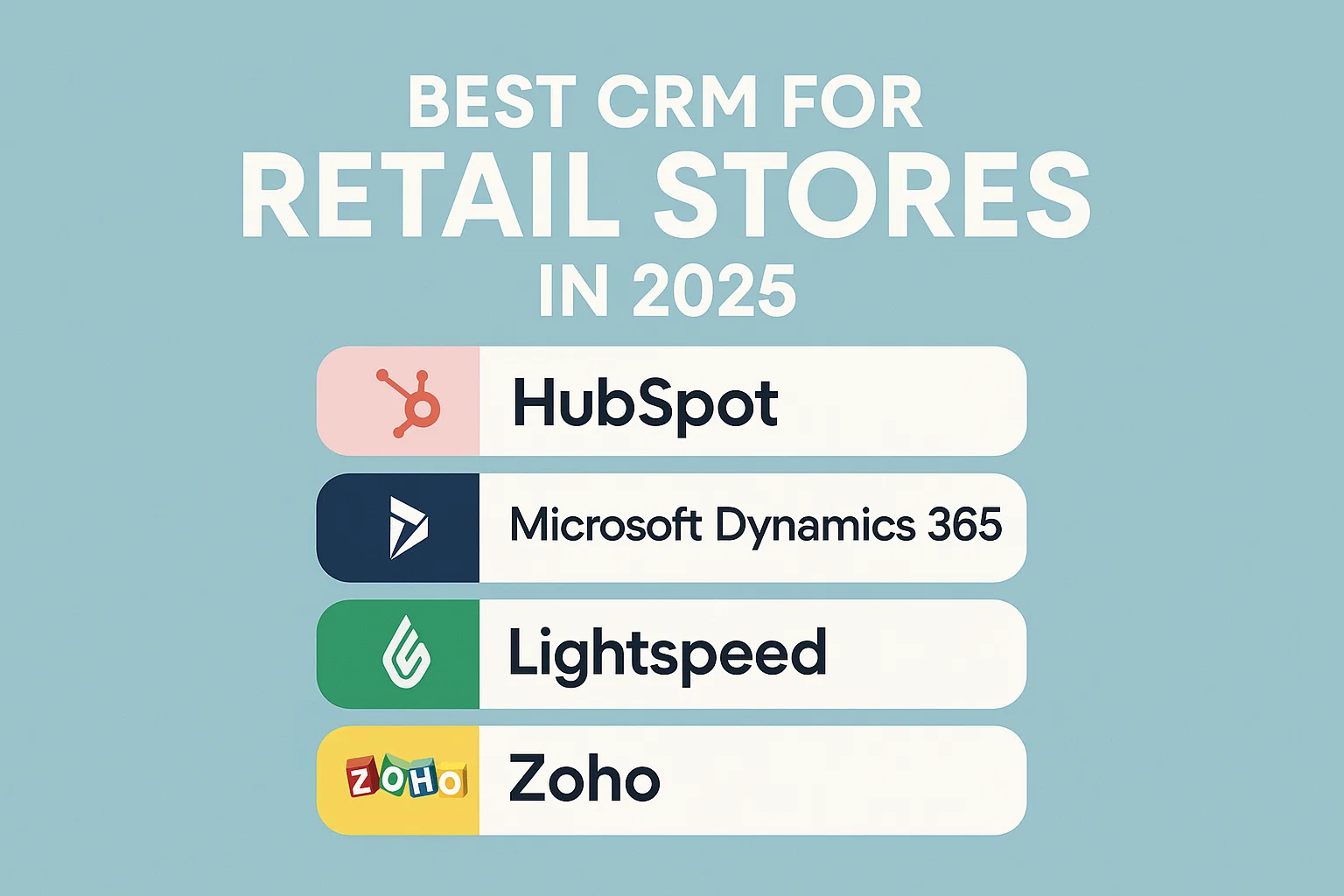
Top CRM Solutions for Retail Businesses in 2026
Why Retail Stores Need a CRM
In today's competitive market, retail stores must find ways to enhance customer experiences. A Customer Relationship Management (CRM) system is essential for managing customer interactions and data. This software helps businesses understand their customers better, streamline communication, and improve sales efforts.
Retailers face unique challenges. They need to track customer preferences, manage inventory, and analyze sales data effectively. A CRM can consolidate all this information, making it easier for retailers to respond to customer needs promptly and efficiently. Without a CRM, managing these aspects can become overwhelming.
Key Features of a Retail CRM
Choosing the right CRM for a retail store means looking for specific features that cater to unique retail needs. One of the most important features is customer segmentation. This allows businesses to categorize customers based on purchasing behavior and preferences, enabling targeted marketing efforts.
Additionally, integration capabilities are crucial. A retail CRM should work seamlessly with existing systems like point-of-sale (POS) and inventory management software. Reporting and analytics tools are also vital. They provide insights into sales trends, customer behaviors, and inventory levels, helping retailers make informed decisions.
Benefits of Using a CRM in Retail
Implementing a CRM system in retail brings numerous advantages. First, it can improve customer service by providing staff with quick access to customer histories and preferences. This means sales associates can offer personalized recommendations, enhancing the shopping experience.
Furthermore, a CRM helps in managing marketing campaigns more efficiently. Retailers can track the success of promotions and adjust strategies based on customer feedback and sales data. Ultimately, a well-implemented CRM can lead to increased sales and better customer retention.
Best Practices for Retail CRM Implementation
To maximize the benefits of a CRM, retailers should follow best practices during implementation. First, it’s important to involve employees in the selection process. Their insights can help identify features that will be most beneficial.
Training is another critical aspect. Staff should be well-versed in how to use the CRM effectively. Regularly updating the system and ensuring data accuracy is also essential. A clean and organized database will yield better insights and improve overall efficiency.
Future Trends for Retail CRMs in 2026
The landscape of retail CRMs is continuously evolving. One trend to watch in 2026 is the rise of artificial intelligence. AI can enhance customer insights by analyzing data patterns and predicting future behaviors. This can lead to more effective marketing strategies and improved customer interactions.
Moreover, mobile accessibility is becoming increasingly important. Retail staff are often on the floor interacting with customers. Having CRM access on mobile devices allows them to provide instant support and recommendations, further enhancing the customer experience.
Conclusion
As retail continues to adapt to changing consumer behaviors, having a reliable CRM system is more important than ever. The right CRM can provide valuable insights, improve customer relationships, and drive sales growth. Retailers must carefully evaluate their options and choose solutions that align with their specific needs.
FAQs
1. Is a CRM suitable for small retail stores?
Yes, many CRMs are designed with small businesses in mind. They offer affordable plans and essential features that can help small retailers manage customer relationships effectively.
2. Can a CRM integrate with POS and inventory systems?
Most modern CRMs offer integration capabilities with POS and inventory management systems. This allows for a seamless flow of information between platforms, improving overall efficiency.
3. How does a CRM improve customer loyalty?
A CRM helps retailers understand customer preferences and purchase history. This information enables personalized marketing and service, which can significantly enhance customer loyalty.
4. Can retail staff access CRM data on mobile?
Yes, many CRMs now offer mobile applications or responsive designs that allow retail staff to access customer data on mobile devices, facilitating better customer interactions.
5. Which CRM is best for retail chains?
The best CRM for retail chains often depends on specific needs. However, popular options include Salesforce, HubSpot, and Zoho CRM, which offer robust features for managing multiple locations and large customer bases.